
The Rise of Artificial Intelligence in Consumer Electronics
Artificial Intelligence (AI) is set to profoundly influence consumer electronics by 2026, fundamentally transforming how individuals interact with their devices and their environments. This evolution is most evident in the proliferation of smart home devices. As these devices become increasingly sophisticated, they leverage AI algorithms to learn user preferences and adapt functionality accordingly. For instance, smart thermostats now utilize machine learning to optimize energy consumption, striking a balance between comfort and efficiency. Home security systems equipped with AI can analyze patterns to differentiate between normal activity and potential breaches, enhancing safety and responsiveness.
Furthermore, AI-powered personal assistants have become integral to daily routines. These assistants, embedded in smartphones and smart speakers, utilize natural language processing to better understand and respond to user inquiries. By 2026, their capabilities have expanded beyond simple tasks such as setting timers or playing music. These systems now manage entire schedules, anticipate needs, and interact with other smart devices seamlessly. This synergy creates a cohesive and intelligent home environment, where everything from lighting to appliances can be controlled intuitively.
Autonomous gadgets, such as robotic vacuum cleaners and lawn mowers, have also benefited from advancements in AI. Designed to operate independently, they utilize sensors and algorithms to navigate spaces efficiently, ensuring cleanliness or maintenance without human intervention. However, the rise of AI in consumer electronics is not without its concerns. Ethical implications surrounding data privacy and security are paramount. As devices collect and analyze vast amounts of personal data, users must grapple with the potential risks of surveillance and misuse. Manufacturers are increasingly tasked with ensuring transparency and robustness in privacy policies, to mitigate these concerns and maintain consumer trust.





The Evolution of Wearable Technology
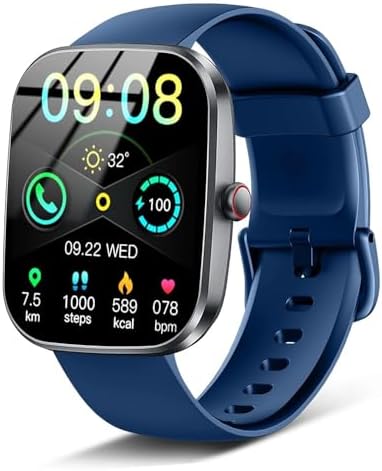
Wearable technology has undergone significant evolution in recent years, transforming from basic fitness trackers to sophisticated smartwatches and health-monitoring devices. These innovations have made considerable strides in their ability to track a variety of health metrics, providing users with real-time data that can enhance personal health management. The integration of advanced sensors and algorithms has resulted in devices capable of not only measuring heart rate and steps but also monitoring sleep patterns, calories burned, and even stress levels through advanced metrics.
Smartwatches stand at the forefront of this evolution, combining traditional timekeeping with features that allow users to access notifications, control smart home devices, and track workouts. The latest models boast improved battery life and capabilities such as GPS tracking and LTE connectivity, enabling a more seamless experience that keeps individuals connected even when they are away from their smartphones. The emergence of health-monitoring wearables goes beyond the athletic realm, as features like ECG monitoring and blood oxygen levels are becoming commonplace, appealing to a broader demographic concerned with wellness.
In addition to enhanced functionality, the user interface of wearable devices has also improved, making complex data more accessible and user-friendly. Real-time data analysis breaks down metrics into understandable insights, encouraging a more proactive approach to personal health. Wearable technology companies are now focusing on customizability, allowing users to tailor their experience based on their specific health goals and preferences.
Looking toward the future, wearable technology is expected to further advance, with innovations like micro-sensors being researched for even more accurate health assessments. The blend of artificial intelligence and machine learning in analyzing data may also pave the way for predictive analytics, offering users insights into potential health issues before they arise. The ongoing evolution of wearable tech continues to highlight its significant role in promoting wellness and improving quality of life.
The Future of Augmented Reality and Virtual Reality Devices
As we approach 2026, augmented reality (AR) and virtual reality (VR) are set to make significant strides, showcasing advancements that are reshaping numerous sectors. The evolution of AR and VR technologies will likely lead to unprecedented applications in gaming, where immersive experiences will blur the line between the virtual and physical worlds. Enhanced graphics and fuller sensory feedback systems will provide users with an experience that feels increasingly lifelike, elevating the standard for interactive entertainment.
In addition to entertainment, AR and VR technologies will be revolutionizing training and educational methodologies. Simulations powered by these innovations will offer learners realistic environments for practice, minimizing risks, and maximizing engagement. For instance, medical students can practice surgical procedures on virtual patients, while corporate training can incorporate VR for real-world scenarios without the associated costs or hazards of traditional methods.
Moreover, social interactions are anticipated to evolve as AR and VR equip individuals with new avenues for communication and connection. Virtual socialization platforms are expected to gain traction, allowing users to meet and engage in a shared environment despite physical distances. These developments hold promise not only for personal interactions but also for business meetings and collaborative projects that increasingly demand flexible participation.
However, despite these advancements, challenges remain. The issue of accessibility persists, as the cost of hardware can hinder widespread adoption. Equally, the need for intuitive user interfaces is critical, ensuring that AR and VR technologies are usable by people of all skill levels. Overall, the future of AR and VR is bright, with the potential to significantly alter how we experience the world around us, heralding a new age of connectivity and immersion that manifests in everyday life.
Sustainable Technologies Shaping Electronics
In recent years, the electronics industry has witnessed a significant shift towards sustainability. This transformation is increasingly driven by both governmental regulations and the growing awareness among consumers regarding the impact of electronics on the environment. Innovations aimed at reducing electronic waste and enhancing energy efficiency have emerged as key trends shaping the future of electronics. Companies are now actively seeking to integrate eco-friendly materials and energy-saving designs into their products.
One notable development in sustainable technologies is the rise of biodegradable materials used in the production of electronic devices. Brands are exploring alternatives to traditional plastics, opting for materials that break down more easily in the environment. This shift not only reduces the amount of waste produced but also minimizes the ecological footprint of electronics manufacturing. Furthermore, the design of electronic products is undergoing a transformation, prioritizing longevity and reparability, which are essential components of sustainable consumption.
Another vital aspect of sustainable electronics is the promotion of recycling initiatives. Numerous companies are establishing take-back programs that encourage consumers to return old devices for proper recycling. This practice not only helps in recovering valuable materials but also reduces the need for new resources, thereby diminishing the overall impact on the planet. In addition, many electronic brands are committing to implementing circular economy principles within their operations, ensuring that materials are reused and recycled effectively.
Consumer trends reveal an increasing demand for environmentally friendly products. Many buyers now consider sustainability as a significant factor when making purchasing decisions. As a result, the market for green electronics is expanding, urging manufacturers to invest in research and development focused on sustainable practices. In conclusion, sustainable technologies are forging a new path for the electronics industry, promoting responsible consumption and production patterns that benefit both consumers and the environment.