
Overview of Computing Trends in 2026
As we progress further into 2026, the landscape of computing continues to evolve at an unprecedented pace, shaped by several influential trends. One of the most significant advancements is found in computer architecture, where efficiency and performance have become paramount. The integration of quantum computing principles with traditional systems has led to hybrid architectures that dramatically enhance computational capabilities. These innovations have positioned computers as essential tools for tackling increasingly complex problems across various sectors.
Performance upgrades are not merely confined to hardware. Software optimizations, particularly in artificial intelligence (AI), have further propelled computing performance. The rise of AI-driven applications has necessitated more powerful processors, and as a result, manufacturers have focused on creating multi-core systems capable of handling extensive data processing tasks in real time. With AI becoming ubiquitous, consumer electronics have adapted to support smarter functionalities, thereby improving user experiences significantly.
Moreover, the shift towards remote work has undeniably redefined the requirements for personal and professional computing. Today’s consumers demand laptops and desktops that are not only powerful but also portable and versatile. Cloud computing solutions are being embraced widely, allowing users to access critical applications and resources from anywhere, which underscores the importance of reliable internet connectivity. Virtualization technologies have gained traction as businesses increasingly use them to maximize resource efficiency and support remote collaboration.
In summary, the computing trends of 2026 reflect a convergence of cutting-edge technology, changing consumer needs, and evolving work environments. The impact of these advancements is profound, as they create smarter and more functional computing devices that cater to the demands of modern users, while positioning AI and virtualization at the forefront of the industry.


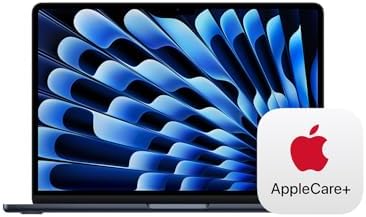


Top Trending Computers of 2026
As we venture into 2026, the landscape of personal computing has evolved dramatically, offering a range of devices that cater to various user needs and preferences. Among the standout models, several computers excel in performance, design, and energy efficiency, setting new benchmarks in their respective categories.
In the realm of desktops, the Skycore DPS 5000 emerges as a favorite among gaming enthusiasts and creative professionals. Equipped with a state-of-the-art AMD Ryzen 9 processor and NVIDIA RTX 4090 graphics card, it delivers mind-blowing performance capable of handling even the most demanding applications. This desktop’s modular design allows for easy upgrades, making it future-proof. Additionally, it boasts a sleek, minimalist aesthetic that harmonizes well with contemporary home office environments.
Transitioning to laptops, the Zenbook Ultra X has become increasingly popular for its remarkable balancing act between portability and power. Featuring the latest Intel Core i9 chipset and a breathtaking 4K OLED display, it caters to professionals who require high-caliber performance while on the go. The battery life, which extends up to 20 hours, is another key selling point, particularly for users frequently working away from power outlets.
For those seeking an all-in-one solution, the VisionPro All-in-One is making waves with its seamless integration of hardware and software. This model is particularly favored in educational settings and small businesses due to its easy setup and user-friendly interface. It incorporates advanced touch-screen technology, making it suitable for collaborative work and presentations. Its energy-efficient specifications demonstrate a commitment to sustainability, positioning it as a responsible choice in today’s technology landscape.
In summary, the computers of 2026 are defined by their innovative features, extraordinary processing power, and commitment to energy efficiency. In this rapidly changing market, these models exemplify the future of computing, pushing the boundaries of what users can expect from their technology.
Accessories to Boost Productivity and Gaming in 2026
As technology continues to evolve, the accessories that accompany computers in 2026 are specifically designed to enhance user experience, productivity, and enjoyment in both professional and gaming environments. Ergonomic peripherals, for instance, have gained significant traction. Keyboards and mice that are designed to reduce strain and enhance comfort can significantly improve long-term usage, making them essential for professionals and gamers alike.
Moreover, the increase in remote work has underscored the necessity for high-quality monitors. Dual-monitor setups are becoming commonplace, allowing for expanded workspace and improved multitasking capabilities. These monitors often incorporate high refresh rates and resolution levels, essential for gaming enthusiasts who benefit from smoother motion and stunning visuals. Additionally, features such as blue-light filtering and adjustable brightness have made them suitable for prolonged use, catering to those who spend many hours on their devices.
Gaming accessories are also seeing remarkable innovations. High-precision gaming mice, customizable keyboards with mechanical switches, and immersive headsets are now tailored to enhance the gaming experience. These items not only offer competitive advantages through rapid response times and tactile feedback but also contribute to the overall enjoyment and immersion within virtual environments. The importance of these technologies lies in their ability to facilitate seamless interaction, enabling users to maintain focus, which is crucial whether in a professional setting or during intense gaming sessions.
Furthermore, innovative technologies like AI-based productivity tools are starting to emerge. These accessories can streamline workflows, offering smart solutions that adapt to user preferences and habits. Tools like smart speakers and digital assistants facilitate hands-free operations, reinforcing a more efficient working environment. Overall, as computing technology advances, the accessories available will continue to play a pivotal role in enhancing both productivity and recreational gaming, shaping the user experience in the coming years.
Environmental Impact of New Technology in 2026
As we advance into 2026, the interplay between technology and environmental sustainability is becoming increasingly critical. A growing awareness among consumers and manufacturers regarding the ecological footprint of computing devices is prompting significant initiatives aimed at mitigating environmental impacts. The focus on sustainability is influencing every aspect of the technology sector, encouraging companies to adopt more conscientious manufacturing practices.
One prominent trend is the emphasis on energy efficiency. In 2026, manufacturers are designing computers and accessories that consume considerably less power without compromising performance. This shift not only helps reduce carbon footprints but also saves money for consumers over the lifespan of their devices. As technology becomes more energy-efficient, it often incorporates advanced cooling systems and power management software, further enhancing its sustainability credentials.
Another important aspect relates to the materials used in the production of modern computers and accessories. Manufacturers are increasingly utilizing recycled materials and sustainable resources in their designs. By doing so, companies are minimizing waste and reducing the demand for virgin materials, which can contribute to habitat destruction and pollution. This practice underscores a broader trend towards circular economy principles, where devices are designed with their entire lifecycle in mind.
Furthermore, manufacturers are prioritizing longevity and repairability in their products. Devices that are built to last are less likely to end up in landfills, representing a crucial measure in the fight against e-waste. Repairable technology allows consumers to extend the lifespan of their devices, reinforcing a culture of sustainability and consideration for environmental impact.
These developments hold significant implications not only for consumers who are becoming more eco-conscious but also for the industry as a whole. As sustainability becomes a standard expectation, companies that fail to adapt may find themselves at a competitive disadvantage. Consequently, the future of computing in 2026 is poised to be defined by the harmonious integration of technological advancement and environmental stewardship.