
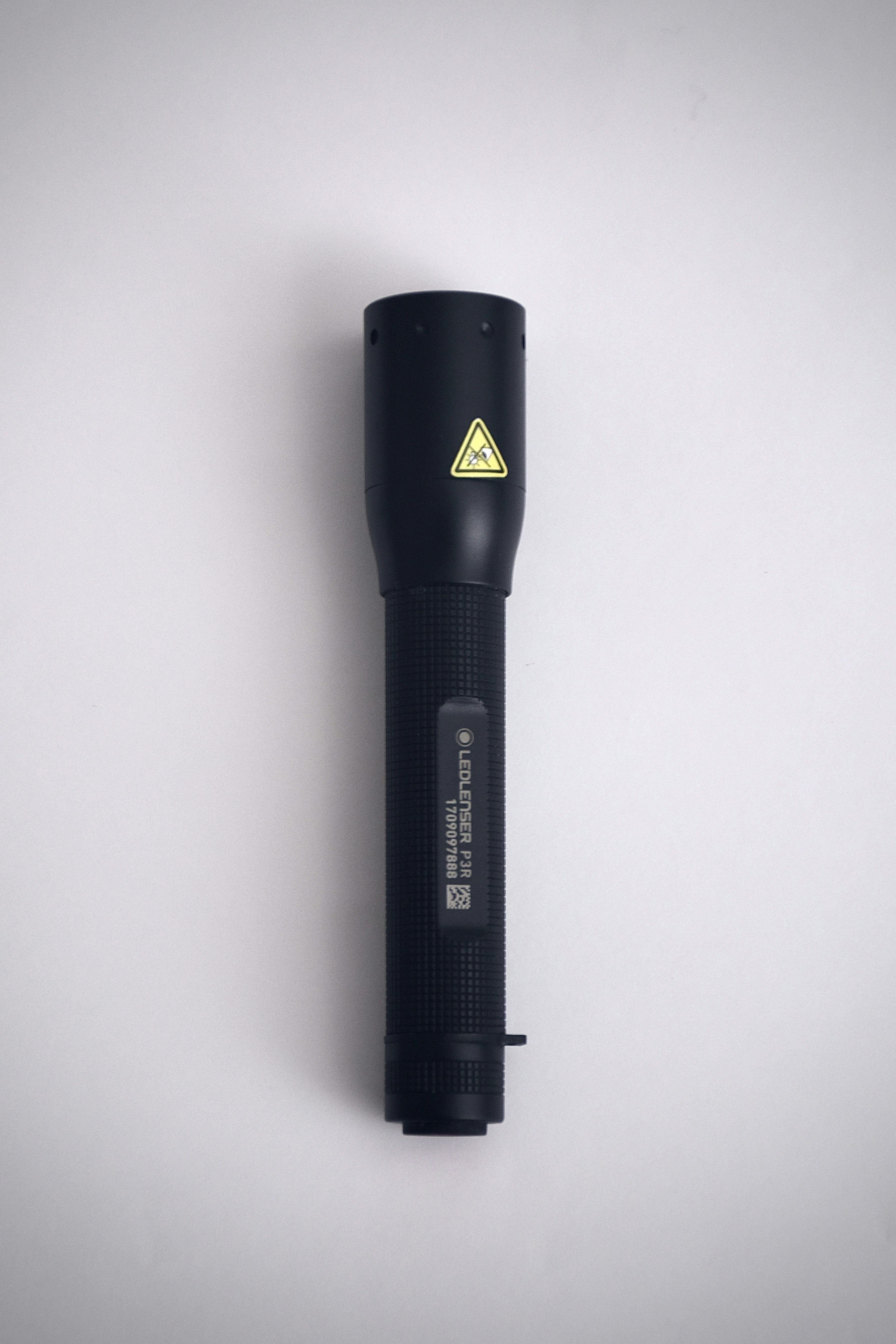
Understanding the Benefits of Carrying a Flashlight
Carrying a flashlight on a daily basis is an essential practice for individuals seeking safety and practicality in their lives. One of the primary advantages of having a flashlight readily available is the enhancement of personal safety, particularly during emergencies or unforeseen circumstances. A flashlight can illuminate dark areas, allowing individuals to navigate safely through poorly lit environments, reducing the risk of accidents and injury.
In addition to promoting safety, a flashlight serves to increase visibility in low-light conditions. Whether one is walking home at night, camping in the wilderness, or conducting repairs after sunset, a reliable flashlight provides necessary illumination. This increased visibility not only aids in preventing accidents but also instills a sense of security in uncertain situations.
Moreover, a flashlight proves to be a versatile tool for various everyday situations. For instance, during power outages, having a portable light source like a flashlight allows individuals to maintain comfort and functionality within their home. Additionally, for outdoor enthusiasts engaging in nighttime activities, such as hiking or fishing, a flashlight can be indispensable, enabling them to enjoy their pursuits safely.
Furthermore, flashlights have the potential to act as self-defense tools. In critical situations, a bright light can disorient potential threats, providing individuals a brief moment to escape or summon help. Overall, the benefits of carrying a flashlight extend beyond mere convenience; it embodies preparedness and enhances one’s ability to respond effectively to a multitude of scenarios. This invaluable tool truly embodies the saying that it’s better to be prepared than to face the consequences of being unprepared.
Potential Drawbacks of Carrying a Flashlight
While carrying a flashlight daily can undoubtedly provide numerous benefits, it also presents certain potential drawbacks that warrant consideration. One of the primary concerns is the added weight and bulkiness that a flashlight can contribute to one’s daily carry. For individuals who prefer to travel light, even a compact flashlight might feel cumbersome when added to their bag or pockets. This could discourage individuals from consistently carrying it, undermining its intended purpose.
Another factor to take into account is the cost associated with quality flashlights. While budget-friendly options exist, they may lack durability or efficiency, leading to a cycle of replacements. Conversely, investing in a high-end flashlight could be a financial burden for some. Therefore, for those who are budget-conscious, the expense of purchasing a reliable flashlight may pose a valid concern.
Usability is another critical aspect that cannot be overlooked. A flashlight that is not properly maintained can become ineffective over time. Regular check-ups and battery replacements are necessary to ensure full functionality. Many users neglect these tasks, which could lead to the device failing them during crucial moments. Thus, the responsibility of maintenance can be seen as an inconvenience for those who lead busy lives.
Furthermore, not every individual may find it necessary to rely on a flashlight daily. For example, someone who primarily operates in well-lit environments may perceive the need for a flashlight as minimal or unnecessary. Lifestyle variations, such as work environments, living situations, and outdoor engagements, can greatly influence the relevance of carrying a flashlight. As such, it is vital to weigh these aspects carefully to determine if the inclusion of a flashlight is worth it.
Choosing the Right Flashlight for Daily Carry
When it comes to selecting a flashlight for daily carry, several factors must be considered to ensure that it meets your needs. Flashlights come in various types, each designed for specific uses. Common categories include compact, rechargeable, and tactical flashlights.
Compact flashlights are favored for their portability. They typically fit comfortably in pockets or bags, making them ideal for everyday use. Many compact models are lightweight yet can provide sufficient brightness, often ranging from 100 to 1000 lumens, which allows for both concise and expansive illumination.
Rechargeable flashlights have gained popularity due to their convenience and environmental benefits. They often feature USB charging capabilities that eliminate the need for frequent battery changes, reducing waste. Most rechargeable models also come equipped with battery indicators, allowing users to monitor battery life efficiently and avoid sudden losses of power during use.
Tactical flashlights are known for their durability and advanced features. These models often boast higher brightness levels, multiple lighting modes, and rugged construction to withstand harsh conditions. They can also include strobe functions for self-defense purposes. When selecting a tactical flashlight, consider factors such as grip texture, weight, and ease of operation under stress.
Other crucial elements to evaluate include battery life and durability. Long-lasting lithium-ion or lithium-polymer batteries may provide extended runtime, making them suitable for daily usage. Moreover, look for flashlights constructed from sturdy materials like aircraft-grade aluminum, which can endure impacts and resist water, ensuring reliability in various environments.
In terms of recommendations, models like the Fenix PD35 V2.0 offer a blend of brightness and portability, perfect for both urban and outdoor settings. The Olight S2R Baton II is another excellent choice, known for its rechargeable battery and multiple light settings. For those seeking a tactical option, the SureFire G2X Pro stands out due to its robust design and impressive illumination power.
Tips for Safely Using and Maintaining Your Flashlight
To ensure that your flashlight remains a reliable source of light when you need it, proper handling and maintenance are essential. First and foremost, you should handle your flashlight with care. Avoid dropping it or exposing it to extreme temperatures, whether hot or cold, as this may affect its functionality. Most flashlights are designed to withstand some impact but repeated falls can compromise their durability over time.
Storage is another key aspect of maintaining flashlight performance. Store your flashlight in a cool, dry place, preferably in a designated area that is easily accessible during an emergency. It is advisable to keep the flashlight away from moisture, as excessive humidity can lead to rust and deterioration of batteries.
Battery care is crucial for ensuring that your flashlight operates when necessary. If your flashlight uses disposable batteries, make sure to replace them regularly, even if you have not used the unit for an extended period. Many batteries have a shelf life, and losing charge over time can leave you without a source of light. Alternatively, if you own a rechargeable flashlight, ensure that it is charged regularly, but avoid overcharging as this can reduce battery lifespan.
Conducting regular functionality checks is another best practice. Turn on your flashlight periodically to confirm that it operates correctly. If it flickers or fails to illuminate, this may be indicative of an issue that needs addressing, whether it be with the bulb or the batteries.
Incorporating flashlight use into your daily life can increase safety. It is advisable to carry your flashlight whenever you leave your home, especially when venturing into areas with low lighting. Always use the flashlight responsibly, only shining it where necessary and avoiding direct beams into people’s eyes. By following these tips, you can ensure that your flashlight remains an effective and reliable tool for any situation.