
Introduction to Prusa 3D Printers
Prusa 3D printers have made a significant mark in the 3D printing landscape, known for their reliability, user-friendliness, and exceptional print quality. Founded by Josef Prusa, a prominent figure in the 3D printing community, the brand has cultivated a reputation for innovation and excellence since the release of its first printer. Over the years, Prusa has established itself as a trusted name among enthusiasts and professionals alike, thanks to its dedication to providing well-engineered solutions and robust support.
The Prusa lineup includes several models tailored for different user needs, such as the Original Prusa i3 MK3S+, which offers advanced features and is particularly popular among hobbyists, as well as the Prusa Mini, a more compact option geared toward beginners. Additionally, the company has introduced high-end models suited for serious professionals, demonstrating a comprehensive range that caters to various preferences and requirements.
What sets Prusa 3D printers apart from competitors is their commitment to open-source principles, allowing users to modify and optimize their machines freely. This openness has fostered a vibrant community of makers who regularly contribute improvements and share knowledge. Furthermore, Prusa printers are designed with thoughtfully implemented features like automatic bed leveling, filament sensors, and power recovery, enhancing the overall user experience.
This blog post aims to provide an in-depth analysis of the Prusa 3D printer range, focusing on their pros and cons. Readers can expect to gain insights into the strengths that make these printers a popular choice, as well as potential drawbacks that users should consider before making a purchase decision. Through this exploration, we aim to equip you with the knowledge necessary to determine if a Prusa 3D printer is the right investment for your printing needs.
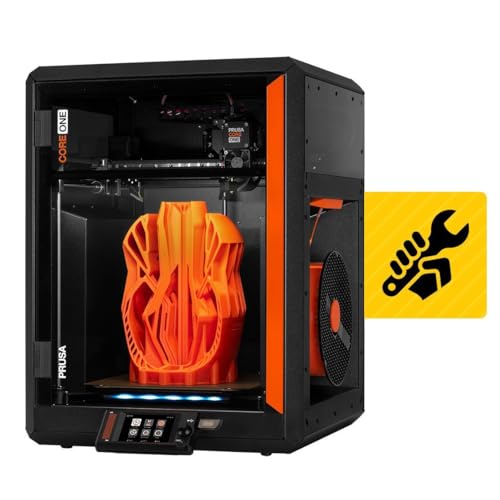


Key Features of Prusa 3D Printers
Prusa 3D printers are acclaimed for their advanced capabilities and robust design, making them a preferred choice among 3D printing enthusiasts and professionals alike. One of the most striking features of Prusa printers is their exceptional build quality. Crafted with precision, these machines use high-grade materials that ensure durability and stability during the printing process. This structural integrity allows for consistent print performance and significantly reduces the risk of print failures due to vibrations or misalignments.
Another noteworthy aspect of Prusa printers is their ease of assembly and use. Most models are offered as kits, which include well-illustrated instructions for straightforward assembly. This feature is particularly beneficial for beginners, as the clear guidance provided facilitates a smoother learning curve. Moreover, Prusa’s user-friendly interface and intuitive controls enhance the overall user experience, allowing operators of varying skill levels to navigate the printing process with confidence.
Print quality is a defining characteristic of Prusa 3D printers, and they consistently deliver impressive results. The meticulously engineered extrusion system and hot end enable precise filament deposition, resulting in sharp details and excellent surface finishes. The ability to print with a variety of materials further elevates their functionality, accommodating diverse project requirements. Unique technologies, such as the SuperPINDA probe for automatic bed leveling, optimize print preparation, ensuring that the first layer adheres perfectly to the print surface—an essential factor for successful prints.
In addition, Prusa printers include advanced features such as a power recovery function, which safeguards against power outages, and extensive community support, providing users with valuable resources and troubleshooting assistance. These standout features collectively contribute to the reputation of Prusa printers as reliable and high-performance 3D printing solutions in the market.
Pros of Using Prusa 3D Printers
Prusa 3D printers have gained a reputation for their excellent performance and user-friendly features, making them a popular choice for both enthusiasts and professionals in the 3D printing community. One of the standout advantages of Prusa printers is their reliability. With a well-designed extrusion system and quality components, users report consistent print quality, which minimizes failed prints and wasted materials. A satisfied user stated, “I have been using the Prusa i3 MK3 for over a year, and it has yet to let me down—every print comes out as expected.” This reliability is critical for both hobbyists and businesses that rely on 3D printing for prototyping and production.
Another significant advantage is the extensive support from the Prusa user community. The company has established an active online forum where users can share tips, troubleshooting advice, and modifications to enhance their printers. This collective knowledge fosters a sense of camaraderie among users, allowing beginners to learn quickly while experienced users can share their insights. For instance, a new user found success after implementing a modification suggested by a community member, which improved their print speed significantly. This kind of community interaction is invaluable, promoting a collaborative approach to problem-solving.
Moreover, Prusa printers are highly customizable. They offer a range of upgrade options, including multi-material capabilities and different build sizes to accommodate various projects. Users can easily modify their printers to suit specific needs, whether it’s for creating intricate designs or large-scale prints. This flexibility allows individuals to engage more creatively and effectively with their projects. As one user remarked, “I love how I can tweak my Prusa to fit my printing needs—it’s not just a printer; it’s a platform for creativity.” This customization potential greatly enhances user satisfaction and the overall impact of print projects.
Cons of Using Prusa 3D Printers
While Prusa 3D printers are regarded for their high performance and quality prints, there are certain drawbacks that potential users should consider prior to investing in this technology. One significant disadvantage is the price point. Compared to some other brand options, Prusa printers can be relatively pricey, often making them less appealing for hobbyists or beginners with a limited budget. However, it is essential to note that the cost often correlates with the superior reliability and print quality that these machines offer.
Another challenge associated with Prusa 3D printers is the maintenance requirements. These printers require regular upkeep, such as bed leveling and occasional part replacements. This can be daunting for those who are less technically inclined or those who wish to use a 3D printer with minimal intervention. Nonetheless, the maintenance process can be streamlined by following manufacturer guidelines closely and utilizing online resources or communities that can provide assistance.
Additionally, compatibility limitations present another concern. Certain Prusa 3D printers may not support all filament types or specialized materials. This can restrict users who are looking to experiment with various printing materials. However, solutions such as adapting print profiles or using third-party materials with caution can help mitigate these issues, allowing for a broader spectrum of printing options.
Finally, the assembly and setup process for some Prusa models can be challenging, especially for individuals who are new to 3D printing. While kits provide a learning experience, they may also lead to increased frustration. This can be alleviated by investing in pre-assembled options or accessing comprehensive tutorials available online.