
Understanding Air Quality and Its Impact
Air quality is a crucial aspect that directly influences overall health and well-being. Poor air quality, often marked by the presence of various pollutants, can significantly affect individuals, particularly those with vulnerable health conditions. Common indoor pollutants include dust, allergens, pet dander, and chemical fumes, all of which can be prevalent in many households. Dust, for instance, can accumulate on surfaces and be stirred into the air, causing respiratory issues when inhaled. Allergens, such as pollen and mold spores, can trigger asthma attacks or allergic reactions, especially in sensitive individuals.
Pet dander, another common pollutant, consists of tiny flakes shed from the skin and fur of animals. These particles can circulate in the air, leading to discomfort for allergy sufferers. Additionally, chemical fumes from cleaning products, paint, and other household items can introduce harmful compounds into the environment. Volatile organic compounds (VOCs) emitted by these products can adversely affect indoor air quality, causing symptoms such as headaches, eye irritation, and respiratory difficulties.
The importance of maintaining clean air cannot be overstated, particularly for vulnerable populations like children, the elderly, and individuals with pre-existing health conditions. Children, due to their developing lungs, may be more susceptible to the adverse effects of pollutants. Similarly, the elderly often have weakened respiratory systems, making clean air vital for their health. Individuals with chronic conditions, such as asthma or cardiovascular diseases, may experience exacerbated symptoms in poorly ventilated spaces. Therefore, recognizing the impact of air quality on health is essential for everyone, and taking the necessary measures to improve it can lead to better respiratory health and overall well-being.
Combatting Allergies and Asthma
Allergies and asthma are increasingly common conditions that can significantly diminish one’s quality of life. Allergens such as pollen, mold spores, and pet dander are ubiquitous in many environments, posing a risk to respiratory health. The primary mechanism by which these allergens affect the body is through an inflammatory response, leading to symptoms such as sneezing, coughing, wheezing, and shortness of breath. Air purifiers can be an effective solution for alleviating these symptoms by removing harmful particles from the air.
Air purifiers typically utilize High-Efficiency Particulate Air (HEPA) filters, which are designed to trap particles as small as 0.3 microns with an efficiency rate of 99.97%. This capability is critical for individuals suffering from asthma or allergies, as it can significantly reduce the number of airborne irritants. For instance, pollen from trees and grasses can easily infiltrate homes, especially during seasonal changes. When pollen levels are high outdoors, keeping windows closed and relying on an air purifier can help minimize exposure, providing much-needed relief.
Additionally, air purifiers can combat mold spores that thrive in damp environments. Mold can quickly accumulate in basements, bathrooms, and kitchens, contributing to poor indoor air quality. A dedicated air purifier targeted at eliminating mold spores not only improves air quality but also helps maintain a healthier living space.
Furthermore, for pet owners, dander and hair can become persistent allergens. Choosing an air purifier that specifically addresses pet-related issues can lead to a noticeable improvement in air purity, thereby reducing allergy and asthma symptoms. Overall, the use of air purifiers tailored to combat allergens creates a more conducive environment for individuals with respiratory conditions.
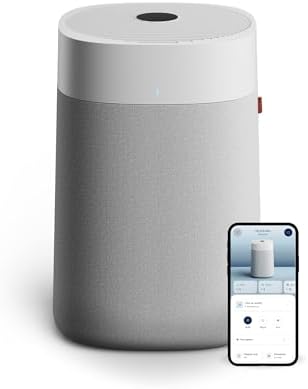
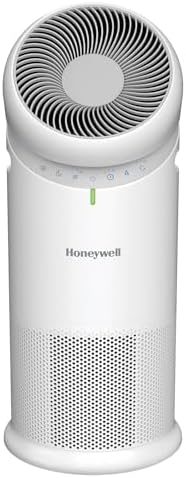


Enhancing Indoor Air Quality in Urban Areas
Urban living presents unique challenges for maintaining indoor air quality due to the high levels of outdoor pollution that infiltrate homes and workplaces. City dwellers often face exposure to harmful pollutants, such as particulate matter, volatile organic compounds (VOCs), and allergens, which can have significant health implications. Inadequate ventilation and tightly sealed buildings can exacerbate these issues, resulting in poor air quality indoors. This underscores the growing importance of air purifiers as a solution for enhancing indoor air quality in urban environments.
Air purifiers equipped with advanced filtration systems can effectively remove a variety of airborne contaminants, providing a cleaner and healthier living space for city residents. HEPA (High-Efficiency Particulate Air) filters are particularly important in this context as they capture up to 99.97% of particles that are 0.3 microns or larger, including dust, pollen, and pet dander. Moreover, combined with activated carbon filters, air purifiers can neutralize odors and absorb harmful gases, making them essential appliances for urban households that are prone to the infiltration of external pollutants.
When choosing an air purifier for urban living, it is crucial to consider the specific features tailored to combat the types of pollutants prevalent in city environments. Models offering high Clean Air Delivery Rates (CADR) are ideal as they indicate the unit’s efficiency in purifying air. Additionally, air purifiers with smart sensors can automatically adjust their settings in response to fluctuating air quality levels, ensuring optimal performance at all times.
Incorporating air purification systems in urban settings can significantly mitigate the adverse effects of outdoor air pollutants, fostering better overall health and wellbeing in densely populated areas. This proactive step not only enhances indoor air quality but also promotes a more comfortable living environment amidst the challenges of urban air pollution.
Improving Overall Health and Well-Being
The quality of air we breathe significantly impacts our health and well-being. An air purifier serves as an essential device that can lead to numerous health benefits, making it a worthwhile investment for maintaining a healthy indoor environment. One of the most immediate effects of clean air is an improvement in sleep quality. Pollutants, allergens, and particulate matter can disrupt sleep patterns and exacerbate respiratory issues, leading to restless nights. By removing these irritants, an air purifier can facilitate deeper, more restorative sleep, thereby enhancing daytime energy levels.
In addition to promoting better sleep, breathing filtered air can enhance cognitive functions, such as concentration and focus. Improved air quality reduces the presence of harmful substances that could cause fatigue and distraction, allowing individuals to work or study more effectively. As cognitive processes become more efficient, productivity tends to increase, illustrating the connection between clean air and mental alertness.
The psychological effects of a clean living environment should not be overlooked. A healthier home atmosphere fosters a positive mental state, by providing residents with an elevated sense of well-being. Studies have shown that breathing clean air is linked to decreased stress levels and improved mood. In an age where mental health is gaining more attention, investing in an air purifier goes beyond physical health; it supports emotional stability and a more vibrant lifestyle.
In summary, maintaining a healthy indoor air quality through the use of an air purifier contributes significantly to overall well-being. From better sleep and enhanced concentration to improved mental health, the advantages of breathing clean air are profound and far-reaching. Emphasizing these benefits can motivate readers to consider the importance of air purifiers as essential components of a holistic approach to health. Investing in such technology not only improves physical health but also nurtures psychological resilience and vitality.